Outreach in Zambia: Seeds of Hope in Unexpected Places
May 18, 2026
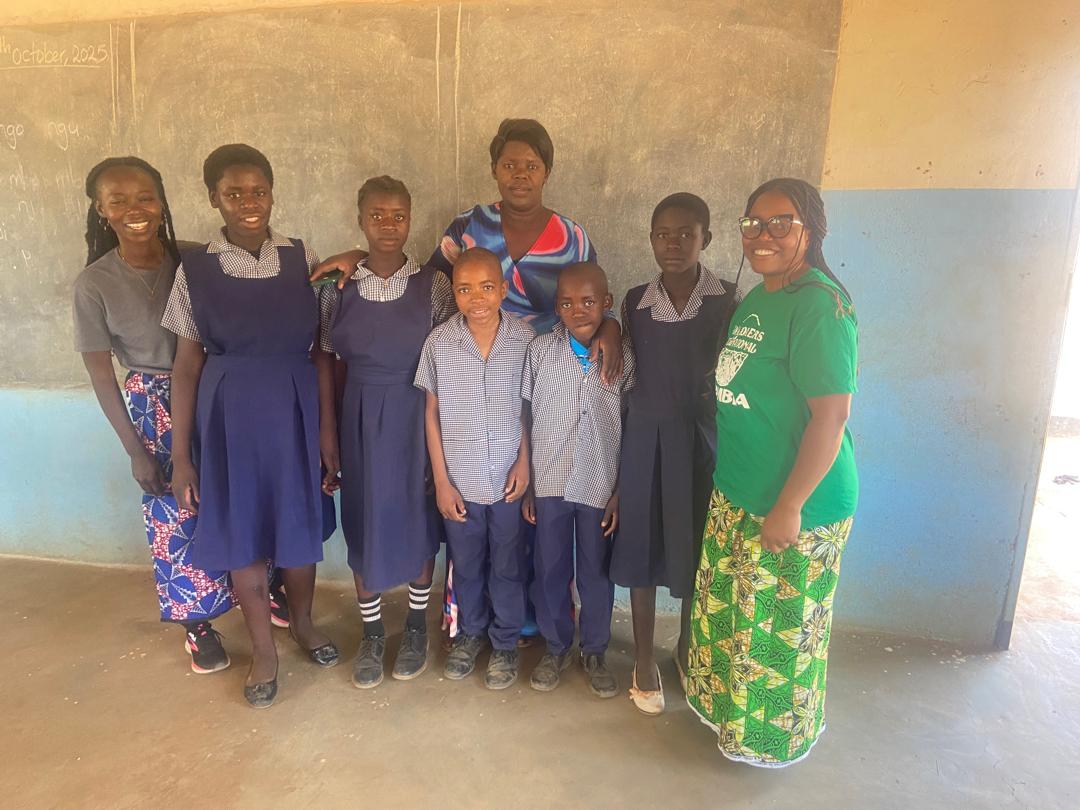
In the first quarter of 2026, we had the privilege of conducting outreach visits to two very different, yet deeply impactful locations: Lushomo Happy House in Mulalika Village and Chainama East Correctional Facility. Though the settings were distinct, both visits reminded us that when the Word is shared with love and intention, it takes root in powerful ways.
Lushomo Happy House: A Place of Joy and Growth
Nestled in Mulalika Village in Chongwe, Lushomo Happy House serves as a safe haven for vulnerable children through its after-school program. Here, children are given more than just a place to gather. Instead they are offered a space to belong, to be nourished, and to grow.
During our visit, laughter and learning filled the air. Through storytelling, interactive games, and dramatization, the children engaged deeply with a teaching story familiar in Zambia and beyond – the Parable of the Sower. They didn’t just hear the story, they lived it out. Acting, playing, and reflecting allowed them to connect with the message in a way that was both joyful and meaningful.
Using our drug and alcohol group counseling curriculum, Literacy- Free 12 Step Expressive Arts Therapy, we incorporated role-play, storytelling, and creative expression into the visit. This approach helped the children explore their emotions and behaviors using CBT and REBT in a way that felt natural and accessible.
Chainama East Correctional Facility: Transformation Behind Walls
Our outreach at Chainama East Correctional Facility offered a different, yet equally profound experience. As part of Zambia’s national correctional system, the facility includes a forensic mental health unit, where individuals receive both correctional supervision and psychiatric care.
Despite the challenges within this environment, the hunger for truth and transformation was undeniable.
Through horticultural therapy and storytelling we built on the familiar story of the Parable of the Sower we used with the children. The women engaged with the message on an emotional level. The Literacy-Free 12 Step Expressive Arts Therapy curriculum uses familiar art forms and even stories as a therapeutic metaphor for CBT, REBT, and 12 Step principles – making them easy to understand and creating space for reflection, self-expression, and healing.
One inmate shared a testimony that captured the heart of the experience:
“I have never heard the Parable of the Sower explained in such an expressive and powerful way. The message was clear, deep, and truly spoke to my heart. It helped me understand the Word on a deeper level and made me reflect on the condition of my own life as the ‘soil.’ I am truly grateful for this life-changing teaching.”
These words are a powerful reminder that no environment is beyond the reach of God’s truth.
Planting Seeds That Last
Whether among children in a village or women within correctional walls, the message remained the same: seeds are being planted.
Through storytelling, creativity, and intentional engagement, we are seeing lives touched, perspectives shifted, and hearts opened. And while we may not always see the full harvest right away, we trust that these seeds, sown with care, will continue to grow in ways only God can bring to fruition.