Advancing Mental Health: Collaboration, Training, and Hope in Action
May 4, 2026
By Chipego Nambeye
Since 2018, our work in drug and alcohol recovery has centered on equipping organizations with practical, accessible tools through our Literacy-Free 12 Step Expressive Arts Therapy curriculum. What began as a vision to make recovery support more inclusive has grown into a movement that has reached approximately 50 organizations, including major institutions such as Chainama Hospital and Ndola Central Hospital.
Our commitment to evidence-based impact has also guided our clinical work. After field testing initial studies, in 2022, we published a clinical study evaluating training in our 12 Step group therapy curriculum utilizing Zambian art forms. This Zambian-led implementation of our curriculum brought addiction treatment into communities and was approved of and adopted by the Ministry of Health. We found that training professionals changes perspectives on the value of treating substance users and that this curriculum-based treatment decreases client substance use frequency and increases client participation and motivation.
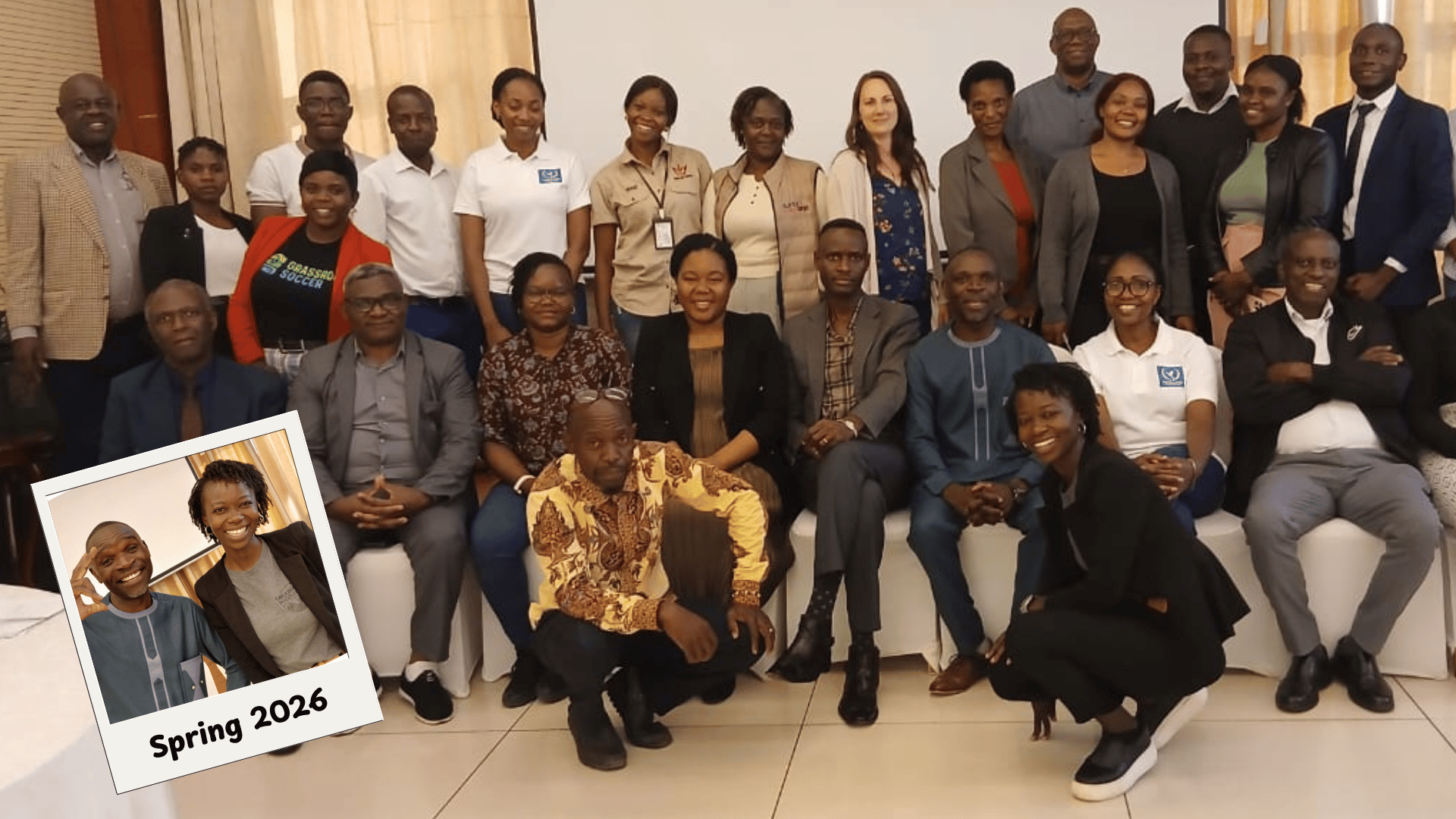
This year has already marked a significant milestone. In March, we were invited by the Ministry of Health to participate in their quarterly mental health strategy meetings. This is an encouraging step toward greater collaboration and alignment across the country. During this gathering, representatives from 23 mental health institutions and partner organizations came together to review 2025 performance data and discuss shared goals.
Being given a seat at the table is both an honor and a responsibility. It reflects growing recognition of the importance of community-based organizations in shaping national mental health strategies. As part of this partnership, we will contribute to academia, research, and capacity building through our specialized training programs.
Looking ahead, we are preparing to present our drug and alcohol program at the next quarterly meeting in June. Another key national priority for the upcoming quarter is the development of a suicide prevention strategy, an effort we are committed to supporting through collaboration and shared expertise.
The March meeting was facilitated by Gabriel, whose passion for mental health continues to inspire meaningful progress. His longstanding collaboration with us since 2018 in both clinical research and training initiatives highlights the power of sustained partnerships in driving change.
While progress is being made, significant challenges remain. Across the country, mental health systems continue to face barriers such as inadequate resources, limited infrastructure, a shortage of public rehabilitation centers, and a lack of comprehensive national data on mental health. Additionally, access remains uneven, with most services concentrated in Lusaka, leaving rural communities underserved. Please pray for the decentralization of these health services to increase much-needed access in the rural areas.
This reality is especially close to our hearts. Many of the children we support live in rural areas, where access to mental health care is limited. To bridge this gap, we conduct weekly mentoring phone calls with our sponsored children, ensuring they receive consistent emotional support and connection.
One reflection from the March meeting captured the spirit of the day:
“It is always nice to attend such meetings and know that you are not alone in doing the work that you are doing. So many times, we all might feel like we need to solve all the world’s problems, but then we remember that we can sit together with other organizations and reason together about how to solve these problems. It was refreshing seeing what other organizations are doing. It was good to see that the Ministry of Health is trying to bring everyone together and recognizing the importance of local nonprofits at the table to find solutions.”
We remain committed to walking alongside communities, strengthening partnerships, and contributing to a future where mental health care is both accessible and effective for everyone.